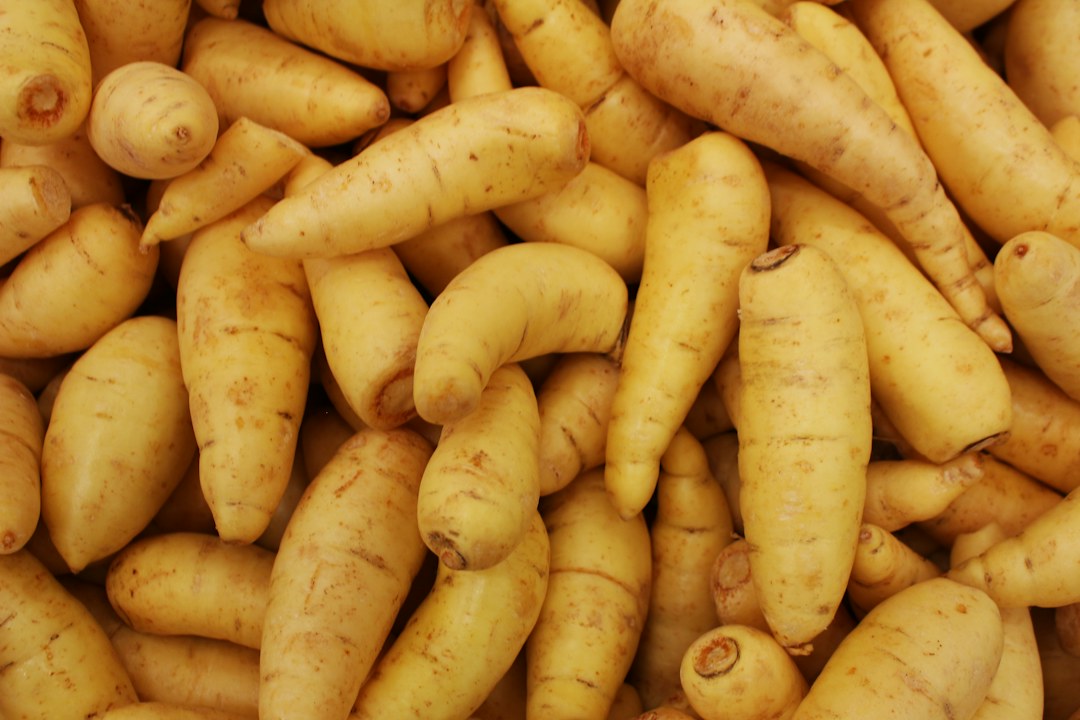
Roast the carrots and parsnips without maple syrup, then toss the hot vegetables with Dijon, maple, and orange zest just before serving. The cut sizes matter more than making every piece the same length: slice carrots a little thinner than parsnips so both are tender when the pan comes out. This makes six side servings on one half sheet; use two pans if you double it.

Maple-Dijon Roasted Carrots and Parsnips Recipe
Prep: 15 min · Cook: 35 min · Total: 50 min · Yield: 6 side servings
Ingredients
- 1 pound carrots, peeled and trimmed
- 1 pound parsnips, peeled and trimmed
- 3 tablespoons olive oil
- ½ teaspoon fine sea salt
- ¼ teaspoon ground black pepper
- 1½ tablespoons pure maple syrup
- 1 tablespoon Dijon mustard
- 1 teaspoon finely grated orange zest
- 1 teaspoon apple cider vinegar
- 2 tablespoons roasted unsalted pepitas
Directions
- Cut for even roasting. Heat the oven to 425°F with a rack in the center. Cut carrots into 2-inch pieces about ⅜ inch thick and parsnips into 2-inch pieces about ⅝ inch thick. If a large parsnip has a woody center, quarter it lengthwise and trim that center away. Pat both vegetables dry.
- Start the vegetables plain. Toss the vegetables with the oil, salt, and pepper. Spread in one layer on an 18-by-13-inch rimmed metal sheet, turning broad cut faces toward the pan. Roast 18 minutes.
- Turn and check. Flip with a thin spatula and rotate the pan. Roast 12 to 17 minutes more. Check one thick piece of each vegetable: a small knife should go through without a hard center and the undersides should have brown patches. If needed, give firm pieces another few minutes, pulling any already-dark tips off the pan first.
- Dress while hot. While the pan is in the oven, whisk the maple syrup, Dijon, orange zest, and vinegar in a large serving bowl. Add the hot vegetables and toss gently just to coat. Scatter the pepitas over the top right before serving.
Estimated nutrition per serving: 180 calories, 3 g protein, 25 g carbohydrates, 9 g fat, 6 g fiber. Actual values depend on ingredient brands and portion sizes.
How to tell if the pan is crowded
If most pieces touch or overlap before roasting, use two pans even if you haven’t doubled the recipe. A tight pan traps moisture. If the vegetables look pale and glossy after the first 18 minutes, spread them farther apart and keep roasting before adding the glaze. The glaze will not fix underbrowned vegetables.
Pick parsnips you don’t have to fight
Look for firm small or medium parsnips. Thick shoulders on larger roots often have a fibrous core, while the taper can be tender. Split wide shoulders, then trim the core only where it feels hard. If your parsnips are thin throughout, simply cut short lengths and check their narrow tips early.
Can I make this ahead for Thanksgiving?
Peel and cut the vegetables up to a day ahead and refrigerate in a covered container. Mix the glaze separately. For the best texture, roast just before serving. If the oven will be full, roast the vegetables a day ahead, refrigerate them unglazed, and reheat spread out at 400°F until they reach 165°F. Toss with the glaze after reheating. If your oven is already at 375°F, allow more time and judge by temperature rather than the clock.
Swaps that work
Whole-grain mustard gives a milder, seeded finish; add a little more vinegar if the glaze tastes flat. Lemon zest can replace orange zest for a sharper finish. Skip the pepitas if you prefer, or add chopped toasted pecans if nuts are suitable for your table. If you only have carrots, try the honey-thyme version linked below rather than assuming thick carrot pieces roast at the same pace.
Leftovers and reheating
Refrigerate in a shallow covered container within two hours, or within one hour above 90°F. Keep for three to four days at 40°F or below. Reheat leftovers to 165°F in the oven; they will soften a little, especially once glazed. Add fresh pepitas after reheating. Freezing is possible, but the roots will be softer when thawed, so use them in a blended soup rather than expecting crisp edges.
Leave a Reply