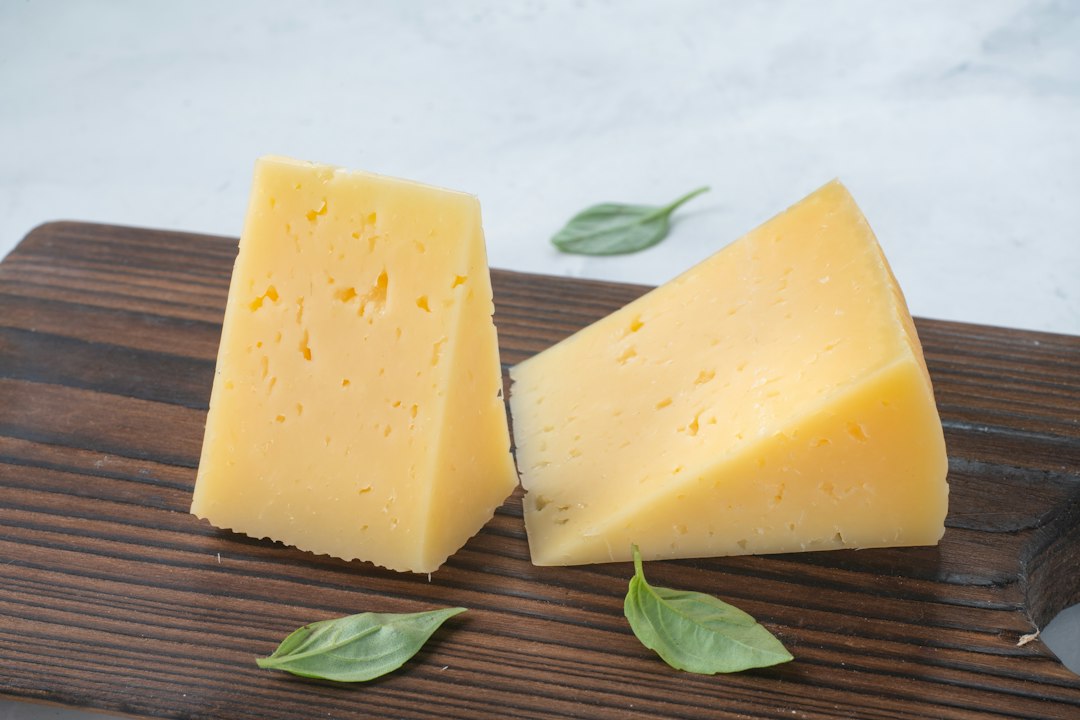
Scoop this cheddar chive dough onto a tray and bake it as rough-topped biscuits—no folding, rolling or cutting. Regular milk is all you need. Keep the butter cold and stop stirring as soon as no dry flour remains; the dough should look shaggy and feel tacky, not smooth like a kneaded dough. Serve them warm with soup or use one to catch a spoonful of holiday gravy.

Cheddar Chive Drop Biscuits (No Buttermilk) Recipe
Prep: 12 min · Cook: 18 min · Total: 30 min · Yield: 10 biscuits
Ingredients
- 2 cups all-purpose flour (240 g), spooned and leveled
- 1 tablespoon baking powder
- ½ teaspoon fine salt
- ¼ teaspoon ground black pepper
- 6 tablespoons unsalted butter (85 g), cold
- ¾ cup whole milk (180 ml), cold, plus 1 tablespoon only if needed
- ¾ cup coarsely grated sharp cheddar (85 g)
- 2 tablespoons finely snipped fresh chives
Directions
- Heat and mix the dry ingredients. Heat the oven to 425°F with a rack in the center. Line a rimmed baking sheet with parchment. Whisk the flour, baking powder, salt and pepper in a large bowl. Keep the milk and cheese in the refrigerator until needed.
- Cut in cold butter. Grate the cold butter on the coarse side of a box grater directly over the flour, tossing once or twice to coat the shreds. If it starts to soften, stop and chill the bowl for a few minutes. Add the cheddar and chives and toss lightly.
- Make a rough dough. Pour in the cold milk. Fold with a fork or flexible spatula just until the flour is moistened. If a patch of dry flour stays at the bottom after a few folds, drizzle over up to 1 tablespoon extra milk. Don’t keep mixing until the dough becomes smooth.
- Drop and bake. Use two spoons or a scoop to divide the dough into 10 equal mounds, roughly ¼ cup each. Leave about 2 inches between them and keep the tops craggy. Bake for 15 to 18 minutes, until the tops are golden and a biscuit lifted with a spatula has a firm, browned bottom. Let stand on the tray for 3 minutes, then serve warm.
Estimated nutrition per biscuit: 205 calories · 5 g protein · 21 g carbohydrates · 12 g fat. Values vary by brand and portion size.
How are drop biscuits different from rolled biscuits?
The dough is wetter and handled less, so these have a rustic top and a tender interior rather than tall, folded layers. Don’t add enough flour to roll it out. If a mound spreads immediately into a puddle on the tray, the butter may be warm or the milk was overmeasured; chill the portioned dough while the oven finishes heating.
Milk and cheese swaps
Whole milk gives the stated texture; 2% milk is a workable substitute. Skip sweetened plant milks. If using a dairy-free milk, choose an unsweetened version and expect a different crumb, since the butter and cheese still contain dairy. Mild cheddar works but has less flavor. Use the same weight of cheese so the dough doesn’t become overloaded.
What if I don’t have chives?
Use 2 tablespoons thinly sliced scallion greens or 2 teaspoons dried chives. Keep fresh onion pieces small. Large wet pieces can leave damp pockets. A pinch of garlic powder can replace the pepper for a different flavor, but don’t add liquid garlic butter to the raw dough.
Make ahead without losing the rise
For a head start, combine the dry ingredients and grate the butter, then refrigerate separately overnight. Add milk shortly before baking. You can also freeze unbaked mounds on a tray until firm, then bag for up to one month for best quality. Bake from frozen at 425°F, allowing a few extra minutes and checking the bottoms before pulling the tray.
Store and reheat
Cool before covering. Because these contain cheese, refrigerate airtight within two hours (one hour above 90°F) and use within three to four days. Freeze cooled biscuits for up to two months for best texture. Reheat refrigerated biscuits covered loosely in a 325°F oven until hot throughout; for reheated leftovers, aim for 165°F. Uncover at the end to crisp the tops. A microwave will soften the crust.
Serving ideas and portioning
Ten biscuits suit a family meal with leftovers, or a small holiday table. For smaller appetizer biscuits, divide into 16 mounds and start checking early. For a double batch, weigh the flour and use two trays; bake one tray at a time for the most even color.
Leave a Reply