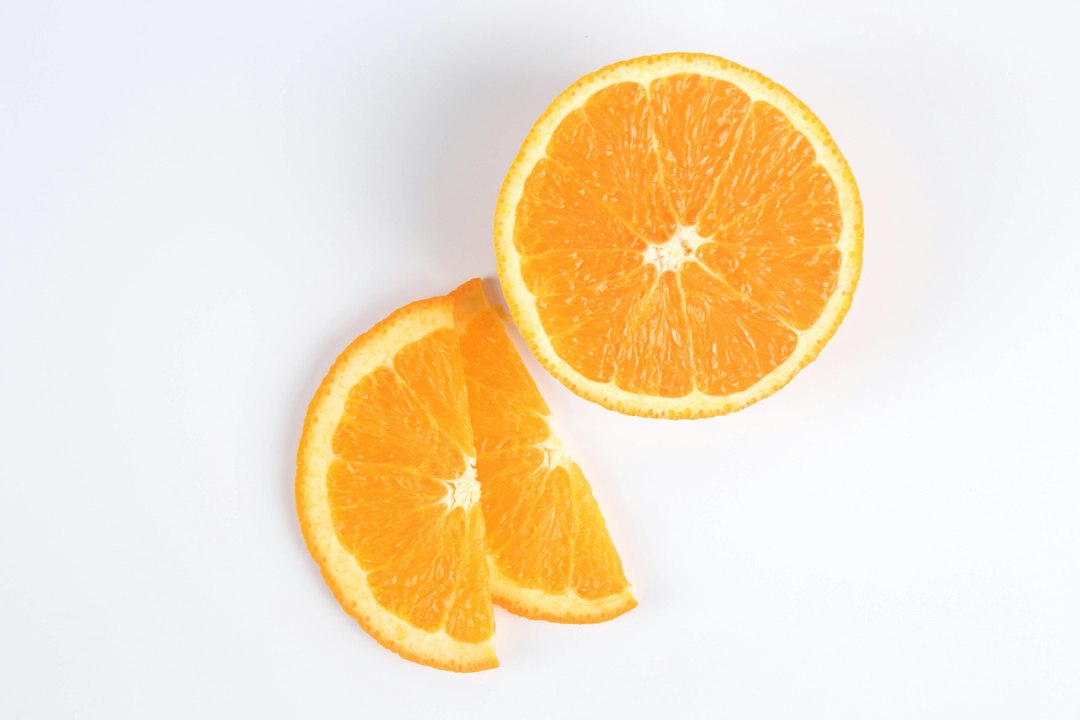
This chocolate orange condensed milk fudge is a microwave treat for a small holiday tin, a dessert board, or a make-ahead sweet bite. Semisweet chocolate provides the structure; sweetened condensed milk keeps the center soft enough to slice. Orange extract adds citrus flavor without the extra liquid of juice. There is no sugar syrup to boil and no candy thermometer to watch, but the tray does need at least four hours in the refrigerator before cutting.

Chocolate Orange Condensed Milk Fudge Recipe
Prep: 10 min · Melting: about 3 min · Chill: at least 4 hr · Total: 4 hr 13 min, plus extra chilling if needed · Yield: 36 small squares
Ingredients
- 16 ounces (454 g) semisweet baking chocolate, finely chopped
- 1 can (14 ounces / 397 g) sweetened condensed milk, not evaporated milk
- 1 tablespoon (14 g) unsalted butter, cut into small pieces
- 1 teaspoon food-grade orange extract, not essential oil
- ⅛ teaspoon fine salt
Directions
- Line the pan. Line an 8-inch square pan with parchment, leaving an overhang on two sides. Use a dry, microwave-safe mixing bowl and dry utensils. Put the chopped chocolate, sweetened condensed milk, butter, and salt in the bowl.
- Melt gently. Microwave at 50% power for 30 seconds, then stir thoroughly, scraping the bottom and sides. Repeat in 20- to 30-second bursts until only a few small chocolate pieces remain. Stir until they melt in the residual heat. Allow about 3 minutes of heating in total, but stop earlier if smooth; microwave power varies. The mixture should be thick and glossy, not bubbling.
- Add orange and spread. Stir in the orange extract until evenly mixed. Scrape into the lined pan immediately and smooth into an even layer with a spatula. Do not add juice or water to loosen it.
- Chill and slice. Refrigerate for at least 4 hours, until firm all the way to the center; allow longer if the middle still dents easily. Cover once cool. Lift out using the parchment and cut into 6 rows in each direction for 36 small squares. Wipe the knife between cuts and return the pieces to the refrigerator.
Estimated nutrition per square (1 of 36): 110 calories · 2 g protein · 15 g carbohydrates · 5 g fat. This is an estimate, not a laboratory analysis; chocolate brands and square size change the values.
Why sweetened condensed milk matters
Check both words on the can. Sweetened condensed milk is thick and already contains sugar. Evaporated milk is thinner and unsweetened; it is not an equal swap and can leave this mixture too loose to cut. Use the whole 14-ounce can, scraping the bottom with a flexible spatula. Weigh the chocolate rather than measuring chopped pieces by volume.
Which chocolate should I use?
Choose semisweet baking bars, roughly 50–60% cocoa, for a balanced chocolate-orange flavor. Ordinary semisweet chips can work by the same weight, but may need more stirring to look smooth. Do not substitute a whole batch of white chocolate or milk chocolate using this ratio: their different cocoa butter and milk solids can change the set. This is a soft condensed-milk confection, not the crumbly texture of traditional boiled-sugar fudge.
Can I use fresh orange instead of extract?
Orange juice adds water and acidity without providing much concentrated orange flavor in a small quantity, so leave it out. If you prefer zest, replace the extract with 2 teaspoons finely grated orange zest, avoiding the bitter white pith. Wash and dry the orange before zesting, and expect little flecks in the finished squares. Extract gives a smoother texture. Never use aromatherapy essential oil in food.
Why is my fudge soft or grainy?
A warm center is the first thing to rule out: refrigerate overnight before deciding that the batch has failed to set. Check whether the correct milk and full weight of chocolate were used. A larger pan makes a thinner slab, not a firmer formula. If a correctly measured batch is still soft after an overnight chill, serve it cold in small candy cups rather than promising tidy room-temperature squares.
Overheating can make the chocolate oily or grainy. Stir after every short microwave burst and stop heating before all the pieces disappear. Do not try to repair a split batch by boiling it harder. For a stovetop method, place the same ingredients except extract in a heavy saucepan over the lowest heat and stir constantly just until smooth; take it off the heat before adding the extract. Heating time will differ.
Small-batch variations and serving ideas
For a plain chocolate batch, replace orange extract with 1 teaspoon vanilla extract. To add crunch, fold in ⅓ cup chopped toasted almonds after melting; this introduces a tree-nut allergen and changes nutrition. For a chocolate-orange dessert plate, pair a few chilled squares with fresh orange segments served separately, not pressed into the slab. Contains milk; check chocolate labels for soy and nut cross-contact. Do not describe it as dairy-free or allergy-safe without suitable ingredient labels.
Make ahead, store, and give as a gift
Keep airtight in the refrigerator at 40°F or colder for up to one week for best quality, with parchment between layers. Freeze well wrapped in a sealed container for up to one month. Thaw overnight in the refrigerator before unwrapping to reduce condensation. No reheating is needed; warming will soften the set. Let a few squares sit out briefly before eating if you prefer a softer bite.
This is not a validated shelf-stable candy or a suitable unrefrigerated mail-order gift. Pack chilled portions in a clean food-safe tin, label the milk and any added nuts, and include a keep-refrigerated note. Keep the tin cool in transit and return it to the refrigerator promptly.
More make-ahead sweets
- No-Bake Chocolate Peanut Butter Pretzel Clusters for a crisp, salty contrast.
- No-Bake Pecan Pie Oat Bars for an oat-based treat.
- No-Bake Peppermint Cheesecake with Oreo Crust for a full chilled dessert.
Leave a Reply