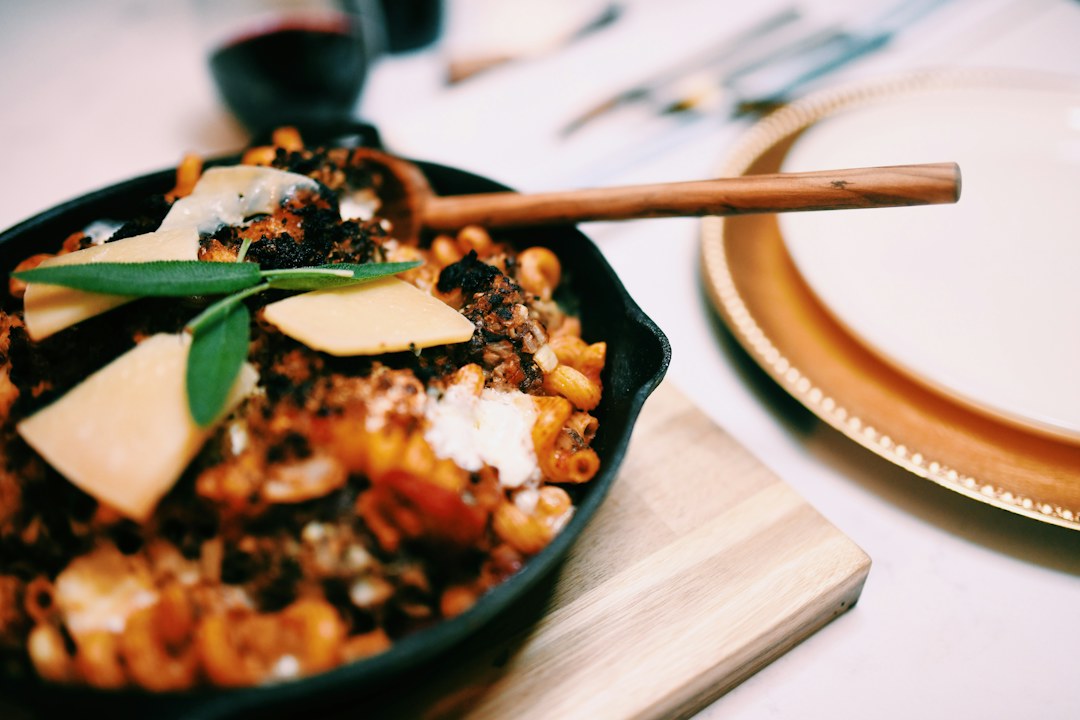
Creamy pumpkin sausage pasta with spinach is a savory way to use canned pumpkin in a weeknight dinner. The pumpkin makes the sauce thick and silky without a long simmer, while browned sausage, sage, garlic, and Parmesan keep it firmly on the savory side. Short pasta catches the sauce in every curve.
This version cooks the pasta separately so you can control its texture and loosen the sauce with reserved pasta water. Use plain pumpkin purée, not sweetened pumpkin pie filling. Start with a modest amount of sage, then add more to taste; its flavor gets stronger in the warm sauce.

Prep: 15 minutes Cook: 20 minutes Total: 35 minutes Yield: 4 servings
Ingredients
- 12 ounces short pasta, such as rigatoni or penne
- 12 ounces bulk Italian pork sausage, mild or hot
- 1 tablespoon olive oil, only if the sausage pan is dry
- 1 small yellow onion, finely diced
- 3 garlic cloves, minced
- 1 teaspoon dried rubbed sage, or 1 tablespoon finely chopped fresh sage
- 1 cup plain canned pumpkin purée (not pumpkin pie filling)
- 3/4 cup low-sodium chicken broth
- 1/2 cup half-and-half
- 3 packed cups baby spinach
- 1/2 cup finely grated Parmesan, plus more for serving
- 1 tablespoon lemon juice
- 1/4 teaspoon black pepper
- 1/4 teaspoon fine salt, plus salt for the pasta water; adjust after tasting
Directions
- Bring a large pot of salted water to a boil. Cook the pasta until just al dente according to the package. Reserve 1 cup of the starchy cooking water, then drain.
- Meanwhile, heat a large skillet over medium heat. Add the sausage and break it into small pieces. Cook for 6 to 8 minutes until browned and fully cooked to 160°F for pork sausage (165°F if using poultry sausage). If the pan is dry, add the olive oil; if it is very greasy, spoon off excess fat.
- Add the onion and cook for 3 minutes until softened. Stir in the garlic and sage for 30 seconds, just until fragrant.
- Reduce heat to medium-low. Stir in the pumpkin and broth until smooth. Add the half-and-half, pepper, and 1/4 teaspoon salt. Simmer gently for 2 to 3 minutes; do not boil hard after adding dairy.
- Add spinach in handfuls and stir until wilted, about 2 minutes. Fold in the drained pasta and Parmesan. Add reserved pasta water a few tablespoons at a time until the sauce coats the pasta loosely; it thickens as it stands.
- Turn off the heat and stir in lemon juice. Taste and adjust salt, pepper, and sage. Serve immediately with extra Parmesan if desired.
Why this recipe works
Pasta water keeps the sauce glossy. Its starch thins the thick pumpkin without making the coating watery. Reserve it before draining.
Sausage supplies seasoning. Browning it first creates savory bits in the pan, which are carried into the pumpkin sauce.
Helpful variations
For a lighter sauce, replace the half-and-half with whole milk and keep the heat low. For a meat-free version, brown 8 ounces of sliced mushrooms in olive oil and use vegetable broth; add an extra pinch of salt. Kale can replace spinach, but add it to the sauce 3 to 4 minutes earlier so it has time to soften. For more heat, use hot Italian sausage or add red pepper flakes at the table.
Common questions
Does the pasta taste sweet? No. Plain pumpkin purée is mild; sausage, sage, garlic, Parmesan, and lemon steer the sauce toward savory flavors. Avoid pumpkin pie filling.
Why did the sauce get too thick? Pumpkin and cheese tighten as they cool. Stir in warm reserved pasta water, a splash at a time, before serving.
Can I use canned spinach? Frozen chopped spinach works if thawed and squeezed dry. Fresh spinach gives the cleanest texture; canned spinach is much softer and can darken the sauce.
Storage and food safety
Refrigerate leftovers in shallow airtight containers within 2 hours. Use within 3 to 4 days. Reheat gently in a skillet or microwave with a splash of water, stirring until the center reaches 165°F. Dairy sauces can separate after freezing, so refrigeration is best. Sausage must reach the safe temperature specified for its meat before it joins the sauce. See USDA leftover guidance.
Estimated nutrition
Per serving, estimated: 670 calories, 29 g protein, 72 g carbohydrate, 30 g fat, 6 g fiber, 7 g sugar, and 1040 mg sodium. This is an estimate based on standard ingredient values; brands, draining, and portions change the result.
Helpful kitchen gear
As an Amazon Associate, MealMadeBright earns from qualifying purchases.