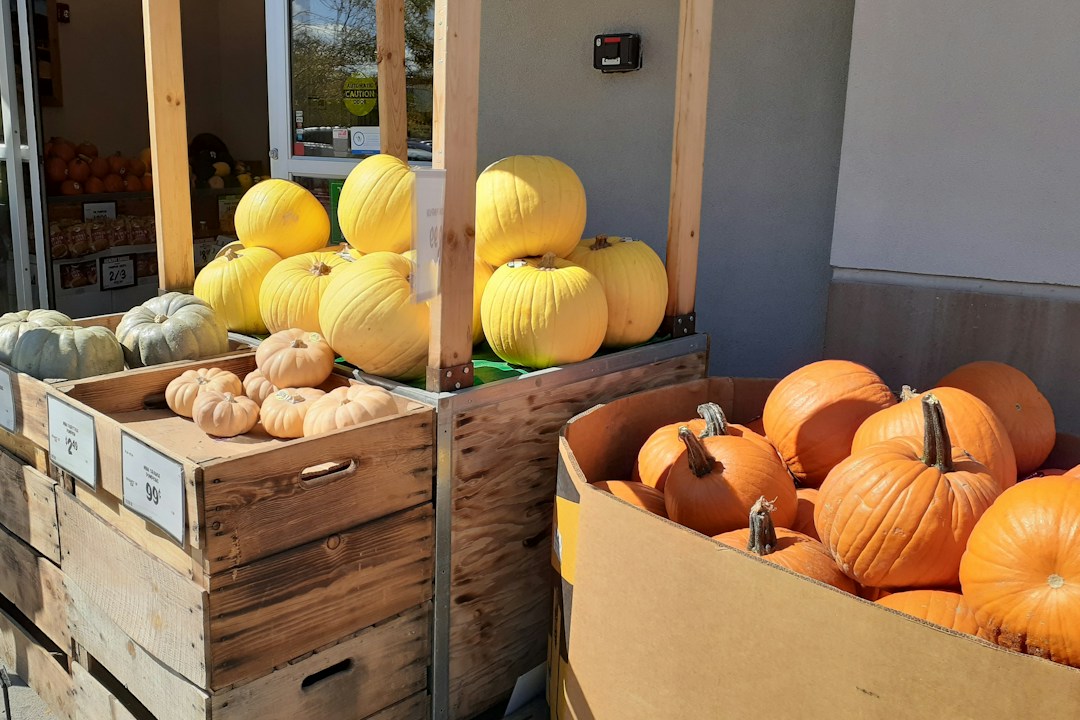
Updated September 27, 2026. A USDA pumpkin report updated September 9 is a useful reminder that the pumpkins piled up for fall decorations and the pumpkins intended for cooking serve different markets. If you want pumpkin for pancakes, soup, or cheesecake, here is what that distinction means in the grocery store.
What the USDA update actually says
USDA’s Economic Research Service reports that U.S. pumpkins are grown for two broad uses: the fresh and ornamental market and the processing market, which supplies pumpkin for canned purée and other prepared foods. The report’s latest production figures describe the 2024 harvest; they are not a forecast of this year’s price or availability. In 2024, U.S. pumpkin production totaled 1.44 billion pounds, according to the USDA pumpkin background and statistics update.
Which pumpkin should you cook with?
For an easy, consistent ingredient, choose a can labeled 100% pumpkin or pumpkin purée, not sweetened pumpkin pie filling. For a fresh option, look for a small pumpkin sold specifically for cooking, often labeled a pie or sugar pumpkin. A large carving pumpkin is selected mainly for size and appearance; it usually gives you less dense, more watery flesh for recipes. The University of Minnesota Extension also recommends using culinary pumpkins or winter squash rather than jack-o’-lantern types for pie.
How to use one can well
A can of plain pumpkin can go beyond pie. Stir a measured portion into pumpkin cottage cheese pancakes for breakfast, or use it in no-bake pumpkin cheesecake. If you are planning several meals, measure the purée before adding it: pumpkin products vary by can size, and a recipe’s stated amount is more reliable than an assumed “one can.”
Store leftover purée safely
After opening a commercially canned pumpkin product, refrigerate the unused portion promptly in a covered container. USDA’s shelf-stable food guidance lists 3 to 4 days in the refrigerator after opening for low-acid canned vegetables including pumpkin. If you will not use it in that window, freeze it in recipe-sized portions. Label each portion with the amount and date so it is easy to use later.
The takeaway
The September USDA update is about how pumpkins are produced and used, not proof that fresh pumpkins or canned purée are better for every dish. Buy a culinary pumpkin when you want to roast and purée it yourself; choose plain canned purée when convenience and consistent moisture matter. Either way, use the exact quantity your recipe calls for and handle leftovers promptly.
Photo: Illustrative autumn harvest photograph by Miss Wendy on Unsplash. Sources: USDA Economic Research Service, updated September 9, 2026; University of Minnesota Extension; USDA Food Safety and Inspection Service.