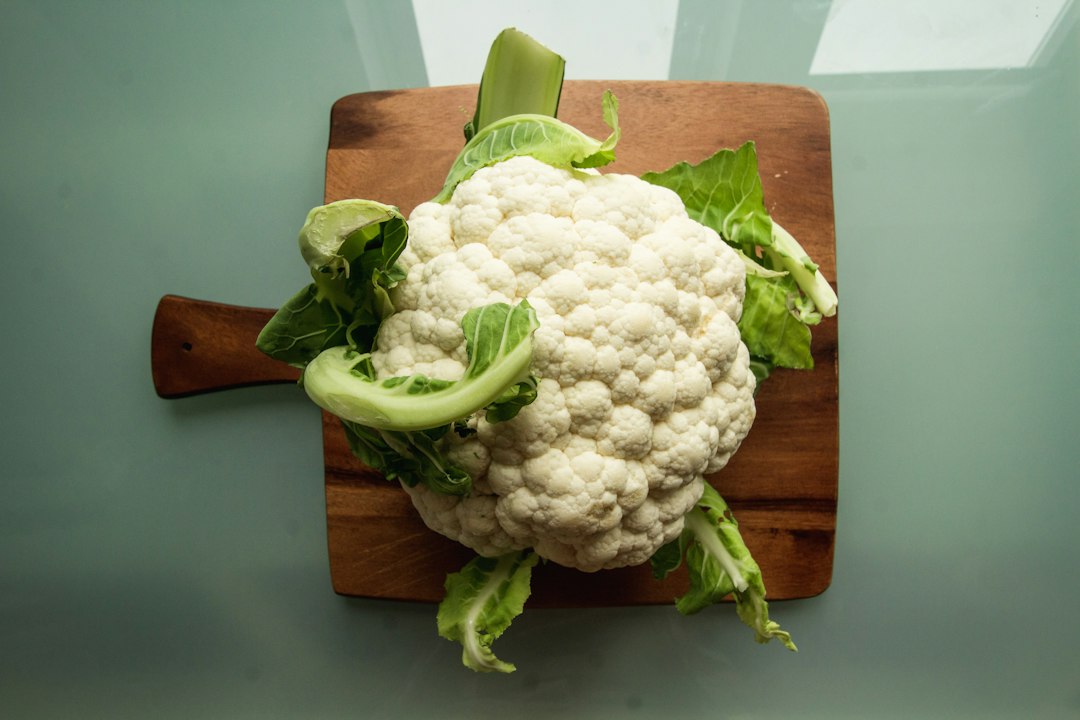
This garlic mashed cauliflower without potatoes makes a soft, creamy side for chicken, steak, or a gravy dinner. Steaming whole garlic cloves alongside the florets mellows their bite, while a little butter and cream cheese give the puree body. There are no potato flakes, flour, or added milk.
The useful trick is to remove moisture before blending. Cauliflower contains plenty of water, and adding cream to wet florets can turn the mash into soup. The method below includes a brief drying step and clear instructions for frozen cauliflower. Plan on about 30 minutes for four side portions; unusually large florets may need a few extra minutes.

Garlic Mashed Cauliflower Without Potatoes
Prep: 10 minutes Cook: 20 minutes Total: about 30 minutes Yield: 4 side servings
Ingredients
- 1 1/2 pounds (680g) trimmed cauliflower florets, cut into 1- to 2-inch pieces
- 3 medium garlic cloves, peeled and left whole
- 2 tablespoons (28g) unsalted butter
- 2 ounces (56g) full-fat cream cheese, cut into small cubes
- 1/2 teaspoon kosher salt (about 2g), plus more to taste
- 1/4 teaspoon freshly ground black pepper
- 1 tablespoon finely sliced chives, optional
Directions
- Set up the steamer: Bring 1 inch of water to a boil in a large saucepan with a steamer basket; the water should remain below the basket. Put the cauliflower and garlic in the basket.
- Steam until very tender: Cover and steam for 12 to 15 minutes, until a fork slides through the thickest florets without resistance. Check the water level if cooking longer. Firm florets will make a grainy puree.
- Dry the cauliflower: Lift out the basket and carefully pour away the water. Return the cauliflower and garlic to the empty warm saucepan. Stir over low heat, uncovered, for 2 to 3 minutes to let surface moisture evaporate; do not brown them.
- Blend the mash: Remove from the heat. Add the butter, cream cheese, measured salt, and pepper. Blend with an immersion blender in the deep saucepan until smooth, keeping the blade submerged. Alternatively, pulse in a food processor, stopping to scrape the bowl.
- Finish and serve: Taste and adjust the seasoning. Spoon into a serving bowl and scatter over the chives if using. Serve hot. The mash should be soft and spoonable rather than stiff like potatoes.
Estimated nutrition: 150 calories, 4g protein, 10g carbohydrate, 11g fat, 3g fiber, and 250mg sodium per quarter of the recipe. These are estimates; brands, added salt, and portion size change the values.
How to keep cauliflower mash from becoming watery
- Steam instead of submerging. A steamer basket keeps florets out of the cooking water. Drain well if you must boil them.
- Use the fork test. Cook until the stalk pieces are completely tender. Extra blending cannot fully fix undercooked cauliflower.
- Let steam escape. The uncovered drying step matters more than adding extra cheese later.
- Skip the milk at first. Only add a teaspoon or two after blending if the puree is unusually thick.
Questions, substitutions, and variations
Can I use frozen cauliflower?
Yes. Use 1 1/2 pounds of plain frozen florets and steam them straight from frozen, following the package’s guidance and checking for very tender stalks. They can release more moisture than fresh florets. Drain thoroughly, then give them 3 to 5 minutes in the dry saucepan before blending. Allow extra time if needed; do not add the liquid from the frozen package.
Can I make it without cream cheese?
For a dairy-free version, replace both the butter and cream cheese with 3 tablespoons olive oil. Blend and season after drying the cauliflower. The result will be lighter and less tangy. Add 1 teaspoon lemon juice for brightness if you like. Nutrition will differ.
Will a potato masher work?
A hand masher produces a rustic, slightly chunky texture. For a smooth puree, use an immersion blender or food processor. If using a countertop blender, follow its manufacturer’s hot-food instructions, work in small batches, and let steam vent safely; never seal hot food in a personal blender cup.
What if the finished mash is too thin?
Return it to a wide saucepan and stir over low heat for a few minutes, allowing excess moisture to evaporate. Avoid vigorous boiling, which can scorch the dairy. Next time, dry the florets longer before adding butter and cream cheese.
Can I change the flavor?
Stir in 2 tablespoons finely grated Parmesan for a savory variation, or replace the chives with chopped parsley. Start with less salt when adding cheese. A small pinch of smoked paprika works with grilled or roasted meat.
Make ahead, storage, and reheating
Refrigerate in shallow covered containers within 2 hours of cooking, or within 1 hour when the surrounding temperature is above 90°F. Keep the refrigerator at 40°F or below and use within 3 to 4 days. Reheat over low heat or in short microwave intervals, stirring frequently, until the center reaches 165°F. Add a teaspoon of water only if needed.
For meal prep, make the mash a day ahead and reheat just before dinner. It can be frozen for up to 2 months, but thawing may cause separation and a softer texture. Thaw in the refrigerator, reheat to 165°F, and stir or briefly blend to bring it together. See FoodSafety.gov’s leftovers guidance.
What to serve with it
Spoon Slow Cooker Chicken and Gravy Without Canned Soup over the mash, or serve it beside Garlic Butter Steak Bites and Broccoli. For another simple vegetable side, try Garlic Roasted Green Beans. The cauliflower mash is a side dish; add a protein and other vegetables to build a full meal.
Helpful kitchen gear
Amazon Associate disclosure: As an Amazon Associate, MealMadeBright earns from qualifying purchases.
An immersion blender makes it easy to puree in the same deep saucepan. Keep its blade submerged to limit splashes and unplug it before cleaning. A food processor also works; neither tool is required if you prefer a chunky mash.
Browse immersion blenders on Amazon. Check hot-food compatibility, bowl depth, and cleaning instructions before choosing a model.
3 responses to “Garlic Mashed Cauliflower Without Potatoes”
[…] a potato-free side, serve the gravy with Garlic Mashed Cauliflower Without Potatoes; its drying step keeps the puree from turning […]
[…] two patties with crunchy salad, cucumber slices, or Garlic Mashed Cauliflower Without Potatoes. A spoonful of plain yogurt mixed with dill makes a simple optional sauce. Bread, sauces, and sides […]
[…] make Ground Beef and Cabbage Skillet Without Rice. If you are planning several vegetable sides, Garlic Mashed Cauliflower Without Potatoes gives a softer contrast to the browned […]