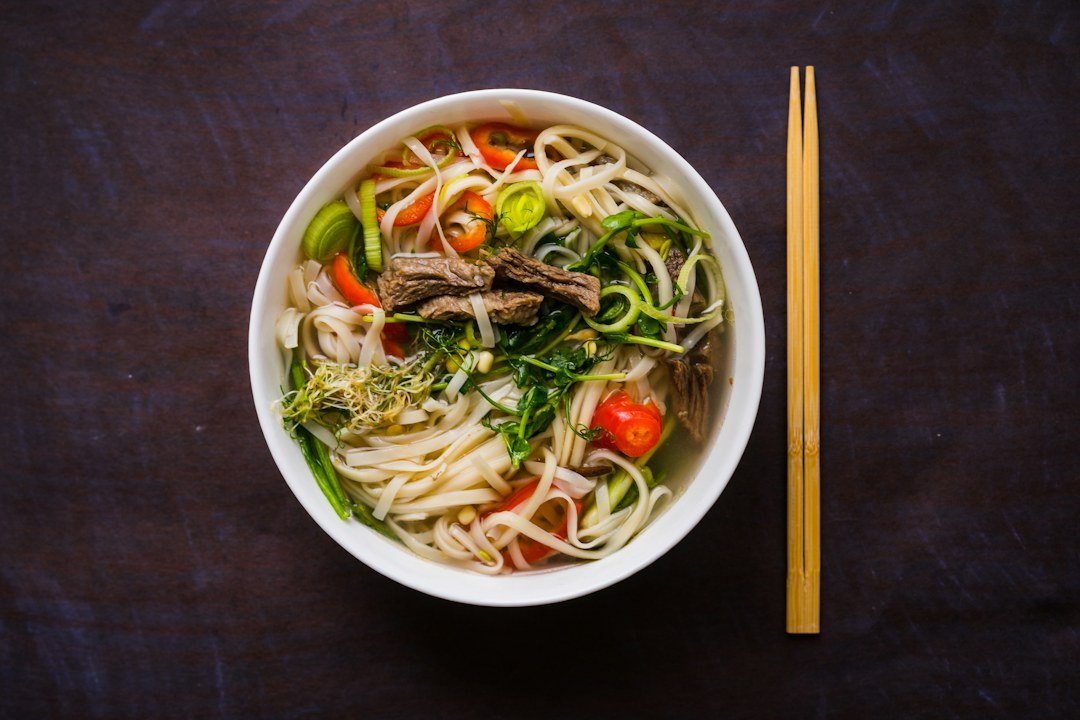
One skillet, about 30 minutes: Use instant ramen, ground beef, and a bag of frozen stir-fry vegetables. Skip the seasoning packets and cook the noodles in the garlic-ginger sauce. If there’s still liquid in the pan, check the noodle texture before simmering longer: once they’re tender, use the cornstarch slurry in the recipe to thicken the sauce instead of cooking the noodles until the pan is dry.

Why this budget ramen skillet works
Instant ramen is quick and affordable, but a single package is not a balanced family dinner. Adding one pound of beef and 16 ounces of vegetables stretches three noodle blocks into six satisfying servings. Frozen vegetables eliminate washing and chopping while keeping this recipe practical year-round.
The noodles cook in measured broth rather than a separate pot. They release starch as they soften, which helps the sauce cling. Breaking each block into four pieces makes the noodles easier to distribute through the beef and vegetables without turning them into tiny fragments.
If you like economical one-pan meals, try One-Pot Beef Taco Rice or One-Pot Cheeseburger Macaroni Without Velveeta. For another skillet with a different protein, see Ground Turkey Sweet Potato Skillet with Black Beans.
Ground Beef Ramen Skillet with Frozen Vegetables
Prep: 10 minutes Cook: 20 minutes Total: 30 minutes Yield: 6 servings
Ingredients
- 1 pound 90% lean ground beef
- 1 teaspoon neutral cooking oil, only if the skillet is dry
- 1 medium yellow onion, diced
- 2 garlic cloves, minced
- 1 tablespoon grated fresh ginger, or 1 teaspoon ground ginger
- 1 bag (16 ounces) frozen stir-fry vegetables, kept frozen
- 2 cups low-sodium beef broth
- 3 tablespoons low-sodium soy sauce
- 2 tablespoons hoisin sauce
- 1 tablespoon rice vinegar
- 1 tablespoon packed brown sugar
- 1 teaspoon toasted sesame oil
- 3 packages (3 ounces each) instant ramen noodles, seasoning packets discarded
- 2 teaspoons cornstarch mixed with 2 tablespoons cold water
- 2 green onions, thinly sliced
- Sriracha or crushed red pepper, optional
Directions
- Whisk the beef broth, soy sauce, hoisin, rice vinegar, brown sugar, and sesame oil in a measuring cup. In a separate small cup, stir the cornstarch with 2 tablespoons cold water until smooth. Set both mixtures aside.
- Heat a large, deep skillet over medium-high heat. Add the beef and cook for 6 to 8 minutes, breaking it into small pieces, until no pink remains and the center of the largest pieces reaches 160°F. Drain excess fat, leaving about 1 teaspoon in the pan. Add the cooking oil only if the pan is dry.
- Add the diced onion. Cook for 3 minutes, stirring often, until it begins to soften. Add the garlic and ginger and cook for 30 seconds, just until fragrant.
- Add the frozen vegetables and the broth mixture. Scrape the bottom of the skillet, cover, and bring to a lively simmer. Cook for 3 minutes to begin thawing the vegetables.
- Break each ramen block into four large pieces and press them into the simmering liquid. Cover and reduce the heat to medium-low. Cook for 2 minutes, then uncover and gently turn the noodles with tongs.
- Cook uncovered for 2 to 3 minutes more, stirring gently, until the noodles are just tender and the vegetables are hot. Avoid cooking until the noodles are completely soft because they continue absorbing sauce after the heat is off.
- Stir the cornstarch slurry again, pour it around the skillet, and toss gently for 30 to 60 seconds until the sauce lightly coats the noodles. Remove from the heat. Fold in half of the green onions.
- Rest for 2 minutes, then divide among six bowls. Add the remaining green onions and optional sriracha or crushed red pepper.
How to keep ramen noodles from turning mushy
The most important step is stopping the cooking when the noodles are barely tender. Ramen continues to absorb liquid while the skillet rests and again during storage. Keep the broth at a simmer rather than a hard boil, and separate the noodle pieces gently instead of vigorously stirring them.
Frozen vegetables can vary in size and release different amounts of water. If the vegetables are still icy after their initial simmer, give them another minute before adding the noodles. If the pan looks dry before the noodles soften, add broth 2 tablespoons at a time. Do not pour in a large amount at once; excess liquid requires extra cooking and can over-soften the noodles.
Practical ingredient tips
- Discard the seasoning packets: The homemade sauce supplies the seasoning. Adding the packets would make the skillet much saltier.
- Use frozen vegetables straight from the freezer: Thawing can make them soft before the noodles finish.
- Choose lean beef: Ground beef around 90% lean provides flavor without leaving a large amount of fat to drain.
- Mix the slurry with cold water: Cornstarch clumps when it is added directly to hot liquid.
- Use a deep skillet: A broad 12-inch pan with high enough sides gives the noodles room to soften and makes tossing easier.
Useful variations
- Ground turkey: Substitute one pound of ground turkey and cook it to 165°F. Chicken broth can replace beef broth.
- Broccoli and carrots: Use a frozen broccoli-carrot blend if a stir-fry mix is unavailable. Cut any unusually large florets after they soften.
- Lower-sodium version: Choose no-salt-added broth, reduce soy sauce to 2 tablespoons, and add more only after tasting.
- Spicy ramen skillet: Add 1 to 2 teaspoons sriracha to the sauce or finish each bowl with chili crisp.
- Peanut variation: Stir 2 tablespoons smooth peanut butter into the warm broth mixture. Add an extra 2 tablespoons broth if the sauce becomes too thick.
- Mushroom-forward: Brown 8 ounces sliced mushrooms after the beef is removed, then return the beef before adding the frozen vegetables.
Storage and reheating
Transfer leftovers to shallow covered containers and refrigerate within 2 hours. Use within 4 days. The noodles will soften as they sit, so this meal has its best texture during the first two days. Reheat only the portion you plan to eat until it reaches 165°F.
For stovetop reheating, add 1 to 2 tablespoons broth or water per serving and warm over medium-low heat, stirring gently. In the microwave, cover loosely and heat in 45-second intervals, stirring between intervals. Let the food stand briefly so the heat distributes evenly.
Freezing the completed skillet is safe but not ideal for texture because ramen noodles become soft after thawing. For freezer meal prep, cook the beef, vegetables, and sauce without the noodles, cool promptly, and freeze for up to 2 months. Thaw in the refrigerator, bring to a simmer, and add fresh ramen when reheating.
Frequently asked questions
Can I use the ramen seasoning packets?
The recipe is balanced without them. If you want to use one, omit the hoisin and begin with only 1 tablespoon soy sauce, then taste after the noodles cook. Packet sodium varies considerably.
Do I need to boil the ramen separately?
No. Cooking the noodles in the skillet saves a pot and lets them absorb the sauce. Measure the broth carefully so the final dish is coated rather than soupy.
Can I use fresh vegetables?
Yes. Use about 4 cups thinly sliced vegetables. Firm carrots and broccoli stems should cook with the onion; quick-cooking peppers, snow peas, and shredded cabbage can go in with the broth.
Why is my sauce watery?
The vegetables may have released extra water, or the slurry may not have simmered. Stir the slurry before adding it, then let the skillet bubble for up to 1 minute. The sauce also thickens slightly as it rests.
Why did the sauce become too thick?
Ramen absorbs liquid rapidly. Loosen the skillet with warm broth or water, one tablespoon at a time. Add only enough to restore a glossy coating.
Estimated nutrition
Estimated per serving: 420 calories, 48 g carbohydrate, 25 g protein, 15 g fat, 5 g saturated fat, 5 g fiber, 9 g sugar, and 840 mg sodium. Values vary with the ramen, broth, sauces, beef, and vegetable blend; seasoning packets are excluded.
Leave a Reply