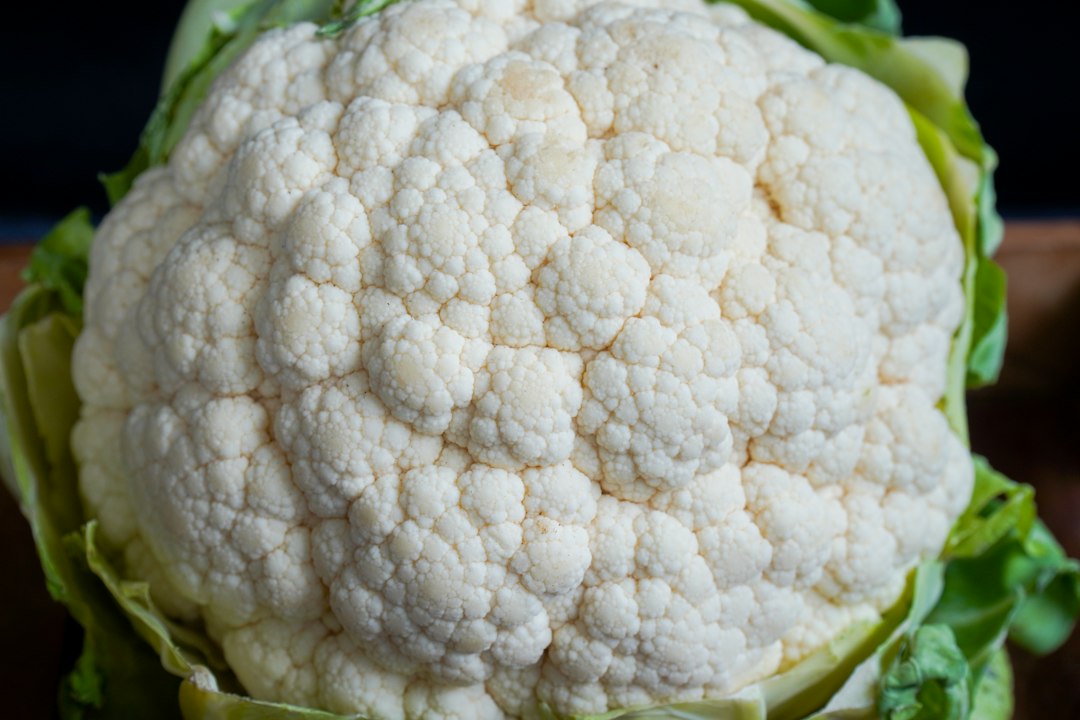
This Italian sausage cauliflower skillet combines bite-size cauliflower florets with browned sausage, tomatoes, spinach, garlic, and a little Parmesan. There is no rice or pasta to cook separately. The cauliflower stays in pieces, giving the dinner a different texture from cauliflower rice or a creamy casserole.
A two-stage vegetable method keeps the florets from being either scorched or crunchy: brown them first, then briefly steam under a lid with measured broth. Drain the tomatoes before adding them so the finished pan stays savory and lightly sauced. The recipe takes about 45 minutes and makes four dinner portions.

Italian Sausage Cauliflower Skillet with Spinach (No Rice)
Prep: 15 minutes Cook: 30 minutes Total: 45 minutes Yield: 4 servings (about 1 1/2 cups each)
Ingredients
- 1 pound (450 g) raw mild Italian pork sausage, casings removed
- 1 tablespoon olive oil, only if the pan needs it after browning the sausage
- 1 1/2 pounds (680 g) trimmed cauliflower florets, cut into 1-inch pieces
- 1 small yellow onion, diced (about 3/4 cup)
- 3 garlic cloves, minced
- 1/2 teaspoon dried oregano
- 1/4 teaspoon black pepper
- 1/3 cup (80 ml) low-sodium chicken broth
- 1 can (14.5 ounces) no-salt-added diced tomatoes, drained well
- 3 packed cups (90 g) baby spinach
- 1 teaspoon fresh lemon juice
- 1/4 cup (20 g) finely grated Parmesan cheese
- Optional: 1/8 teaspoon fine salt, after tasting the finished dish
Directions
- Brown the sausage: Heat a 12-inch skillet over medium-high heat. Add the sausage and break it into bite-size pieces with a spoon. Cook for 7 to 9 minutes, stirring occasionally, until browned and the largest pieces reach 160°F on a food thermometer. Transfer to a clean bowl with a slotted spoon. Leave about 1 tablespoon fat in the pan and spoon off any excess.
- Brown the cauliflower: If the pan has less than 1 tablespoon fat, add enough of the measured olive oil to coat it lightly. Add the cauliflower and onion. Spread into an even layer and cook for 5 to 6 minutes, turning occasionally, until several cauliflower surfaces are golden.
- Steam until almost tender: Add the garlic, oregano, and pepper and stir for 30 seconds. Pour in the broth and scrape up the browned bits. Cover, reduce the heat to medium, and cook for 6 to 8 minutes, until a fork enters the florets with slight resistance.
- Reduce the moisture: Uncover and add the drained tomatoes. Cook for 3 minutes, stirring, so excess liquid evaporates. If the cauliflower is still firm, cover for another 2 minutes before continuing.
- Finish the skillet: Return the cooked sausage and any collected juices to the pan. Add the spinach in two handfuls, stirring until wilted. Cook for 2 to 3 minutes until everything is hot. Stir in the lemon juice, remove from the heat, and sprinkle with Parmesan. Taste before adding the optional salt.
- Serve: Divide among four bowls. The cauliflower should be tender but still in pieces, and there should be only a light coating of pan juices rather than a pool of broth.
Estimated nutrition: 460 calories, 25 g protein, 17 g carbohydrate, 34 g fat, 5 g fiber, and 1050 mg sodium per 1/4 of recipe, without optional serving extras. Nutrition is an estimate; brands, preparation, and portion sizes affect the values.
Choosing sausage and cutting the cauliflower
Use raw mild Italian pork sausage for the timing and temperature in the card. It brings its own fennel, garlic, and salt, so the recipe needs only a little additional seasoning. Remove casings before cooking, or buy bulk sausage. Hot Italian sausage is a direct flavor variation if everyone at the table enjoys heat.
Cut the cauliflower florets into roughly 1-inch pieces. Larger florets take longer to cook, while very small crumbs soften before the rest are tender. Peel and dice the tender inner stem and add it with the florets if you like; discard the tough woody base. Rinse the cauliflower, then dry it thoroughly before it goes into the hot skillet.
How to avoid a watery skillet
Cauliflower releases moisture as it cooks, and canned tomatoes can contribute a lot more. Drain the tomatoes in a sieve rather than pouring the can’s juices into the pan. Use only the listed 1/3 cup broth for the short covered phase. Uncover before adding the tomatoes so steam can escape.
A wide pan is more helpful than higher heat. If the vegetables are piled deeply, use two pans for browning and combine them afterward, or cook the cauliflower in batches. Stir often enough to prevent burning but give the cut surfaces a minute or two against the pan between turns. The goal is a few golden patches, not a deeply browned crust on every floret.
Common questions and substitutions
Can I use frozen cauliflower?
Yes, use 1 1/2 pounds frozen florets. Thaw them in the refrigerator, drain, and pat dry well. Start checking after 3 minutes of browning because frozen cauliflower has already been blanched. Reduce the broth to 2 tablespoons and shorten the covered phase to about 3 to 5 minutes, adding a splash more liquid only if the pan dries before the florets are tender. Texture will be softer than with fresh cauliflower.
Can I use cauliflower rice?
Not with the same liquid and timing. Small rice-size pieces cook much faster and can turn mushy in the covered phase. For this recipe, use florets. If you have only riced cauliflower, a recipe developed for it will give a more predictable result than following these directions unchanged.
Can I substitute chicken or turkey sausage?
Raw Italian-style poultry sausage can replace pork sausage, but cook it to 165°F and add the olive oil if the pan is dry. Fully cooked sausage needs a different approach: brown sliced pieces briefly according to the package directions, then add them back at the end until hot. Check the label to distinguish raw from fully cooked products; color alone is not a reliable guide.
Can I leave out the cheese?
Yes. The Parmesan seasons the finished dish but does not hold it together. For a dairy-free variation, omit it and check that the sausage contains no milk ingredients. Add 1 tablespoon chopped parsley and recheck the salt after adding the lemon. For a gluten-free meal, choose labeled gluten-free sausage and broth and review all packaged ingredients.
What if the cauliflower is still hard?
Add 1 tablespoon broth, cover, and cook for another 2 minutes. Repeat only if necessary, then uncover to reduce any remaining liquid. Do this before adding spinach, which wilts quickly. Large florets and a very full pan are the most common reasons for longer cooking.
How can I add heat or change the greens?
Stir 1/4 teaspoon crushed red pepper into the garlic stage, or offer flakes at the table. Chopped kale works in place of spinach, but add it during the covered cauliflower phase so it has time to soften. Frozen spinach should be thawed and squeezed dry before adding; use about 1/2 cup and heat it through with the returned sausage.
Serving and meal preparation
Serve the skillet on its own, or add crusty bread if you want a larger meal; bread changes the carbohydrate and calorie totals. For another sausage dinner with potatoes, try Sheet-Pan Sausage, Cabbage, and Potatoes. For another rice-free skillet, make Ground Beef and Cabbage Skillet Without Rice. For a simple vegetable side, see Garlic Parmesan Roasted Green Beans.
You can trim the cauliflower and dice the onion a day ahead and keep them refrigerated in separate covered containers. Keep raw sausage sealed below ready-to-eat foods in the refrigerator. Wash hands, utensils, and preparation surfaces after handling the raw meat, and use a clean bowl for cooked sausage.
Storage, freezing, and reheating
Divide leftovers into shallow covered containers and refrigerate within 2 hours, or within 1 hour when the surrounding temperature is above 90°F. Keep at 40°F or below and use within 3 to 4 days. Reheat in a skillet over medium-low heat with a tablespoon of water if needed, stirring until the entire portion reaches 165°F.
For microwave reheating, cover loosely, stir halfway through, and check more than one spot with a thermometer. Freeze cooled portions for up to 2 months for best quality. Thaw overnight in the refrigerator; the cauliflower will soften and may release some liquid, which can be reduced uncovered during reheating.
See USDA sausage safety guidance and leftover storage guidance. Cook pork sausage to 160°F and raw poultry sausage to 165°F; the listed 45-minute total applies to the fresh-floret, raw pork-sausage version.
Helpful kitchen gear
Amazon Associate disclosure: As an Amazon Associate, MealMadeBright earns from qualifying purchases.
A broad 12-inch skillet with a fitted lid gives the cauliflower room to brown and then steam until tender. Use a pan you already own if it is large enough and has a safe-fitting lid.
Browse 12-inch skillets with lids on Amazon. Compare dimensions, materials, care instructions, and current reviews before choosing equipment.
Leave a Reply