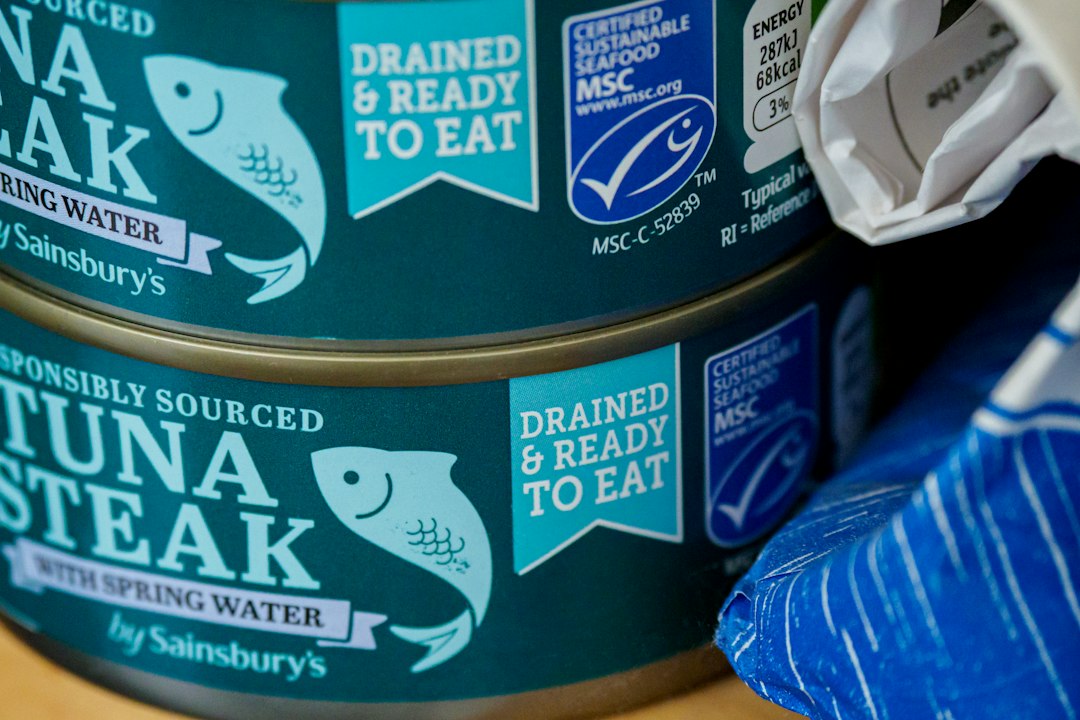
These tuna patties without breadcrumbs use canned tuna, egg, and finely ground flaxseed to make a compact patty with a tender middle and browned surface. Lemon zest and dill add flavor without pouring extra liquid into the mixture. There are no crackers, bread crumbs, or potato fillers.
The main challenge with breadcrumb-free tuna cakes is moisture. Firmly drained tuna, a short rest for the flaxseed, and a 10-minute chill make the mixture easier to shape and turn. This recipe makes six small patties, enough for three servings with a salad or vegetable side. Allow about 37 minutes with a skillet large enough to cook all six at once.

Tuna Patties Without Breadcrumbs (Lemon and Dill)
Prep: 15 minutes Cook: 10 minutes Chill: 10 minutes Rest after cooking: 2 minutes Total: 37 minutes Yield: 6 patties (3 servings)
Ingredients
- 3 cans (5 ounces each) tuna in water, drained firmly (about 300 g drained total)
- 1 large egg
- 3 tablespoons (21 g) finely ground flaxseed, plus 1 teaspoon only if needed
- 1 tablespoon mayonnaise
- 2 tablespoons finely sliced scallions
- 1 tablespoon chopped fresh dill
- 1 teaspoon finely grated lemon zest
- 1 teaspoon Dijon mustard
- 1/4 teaspoon garlic powder
- 1/4 teaspoon ground black pepper
- 1/8 teaspoon fine salt, optional depending on the tuna
- 2 tablespoons olive oil, for the skillet
- Lemon wedges, optional for serving
Directions
- Drain and flake: Drain the tuna in a fine-mesh sieve, pressing with the back of a spoon until liquid stops running. Flake it finely in a bowl; measure about 300 g drained tuna.
- Mix the binder: Whisk the egg, mayonnaise, mustard, lemon zest, garlic powder, pepper, and optional salt in a second bowl. Stir in the ground flaxseed, scallions, and dill, then fold in the tuna until evenly moistened.
- Rest and shape: Let the mixture stand for 5 minutes so the flaxseed hydrates. Divide into six equal portions, about 1/4 cup each, and press into compact patties about 3 inches wide and 1/2 inch thick. Refrigerate on a plate for 10 minutes. If the mixture still spreads rather than holds its shape, fold in 1 teaspoon more ground flaxseed before shaping.
- Cook the first side: Heat the oil in a 12-inch nonstick skillet over medium heat until shimmering. Add the patties with a wide spatula, leaving a little space between them. Cook undisturbed for 4 to 5 minutes, until the undersides are well browned. If your skillet cannot hold all six comfortably, cook in two batches and allow about 10 extra minutes.
- Flip and finish: Slide a thin spatula fully underneath each patty and flip once. Cook for another 4 to 5 minutes, reducing the heat if the exterior browns too quickly. Check the center of the thickest patty from the side with an instant-read thermometer; it must reach 160°F because the mixture contains raw egg.
- Rest and serve: Transfer to a plate and rest for 2 minutes before serving. Offer lemon wedges separately so extra juice does not soften the crust.
Estimated nutrition: 280 calories, 29 g protein, 3 g carbohydrate, 16 g fat, 2 g fiber, and 480 mg sodium per 2 patties, without optional serving extras. Nutrition is an estimate; brands, draining, oil absorption, and portion sizes affect the values.
What holds these tuna patties together?
Egg sets as the patties cook, while ground flaxseed absorbs some of the moisture and forms a soft gel. Neither ingredient can compensate for a bowl full of tuna liquid. Drain first, then measure the tuna and mix. Whole flaxseeds are not a substitute for ground flaxseed because they do not hydrate in the same way.
The uncooked mixture should press into a mound with no liquid pooling around it. A few loose flakes are normal; compact them with your hands. If it feels wet, let it stand the full 5 minutes before adding the extra teaspoon of flax. Adding several spoonfuls at once can make the cooked center heavy and pasty.
Choosing the tuna
Water-packed chunk light tuna is a practical choice for this recipe. Solid white tuna also works, but break its larger pieces into small flakes so the binder reaches them. Three 5-ounce cans usually give roughly 300 grams after draining, although brands differ. If your cans contain much less drained fish, open another can to reach that amount rather than using all the wet ingredients with too little tuna.
Oil-packed tuna can be used if drained well, but the mixture will be richer and nutrition will change. This recipe is written for commercially canned, ready-to-eat tuna. Raw tuna steaks require different handling and cooking and are not a direct substitute.
Common questions and practical fixes
Why are my tuna patties falling apart?
Wet tuna, oversized patties, and flipping too early are the usual causes. Keep the patties about 1/2 inch thick, chill them, and wait for a browned first side before moving them. Slide the spatula completely under the cake rather than lifting one edge. If a cake breaks, press the pieces together in the pan and let the egg finish setting before turning again.
Can I leave out the egg?
The egg is an important binder here. Omitting it without changing the recipe makes fragile cakes. An egg-free mixture needs its own tested proportions, so this version is best for readers who can eat egg. The mayonnaise may also contain egg; check its label for allergens.
Can I swap almond flour for flaxseed?
They absorb moisture differently, so a spoon-for-spoon swap is unreliable. Ground flaxseed is the specified binder. If you prefer almond flour, use a recipe developed around it rather than adding enough to dry out this mixture. The listed recipe contains fish and egg; review all packaged ingredients for any other allergens.
Can I bake them?
For an oven variation, chill the shaped patties as directed, place them on a lightly oiled lined sheet pan, and brush the tops with a little of the measured oil. Bake at 425°F for about 14 to 18 minutes, carefully turning halfway, until the centers reach 160°F. They will generally brown less evenly than skillet-cooked patties. The recipe-card times apply to the skillet method.
How can I change the flavor?
Replace dill with parsley and add 1/4 teaspoon smoked paprika, or add 1 teaspoon drained capers, finely chopped. Keep lemon juice and hot sauce at the table: mixing several tablespoons of either into the patties makes the binder harder to control. For a gluten-free meal, check the mustard, mayonnaise, and tuna labels and choose a gluten-free side.
Serving ideas
Serve two patties with crunchy salad, cucumber slices, or Garlic Mashed Cauliflower Without Potatoes. A spoonful of plain yogurt mixed with dill makes a simple optional sauce. Bread, sauces, and sides are not included in the nutrition estimate. For a chilled tuna lunch, try Tuna and White Bean Salad; for another easy protein-based filling, see Cottage Cheese Egg Salad Without Mayo.
Storage and safe reheating
Refrigerate cooked patties in a shallow covered container within 2 hours, or within 1 hour if the surrounding temperature is above 90°F. Keep at 40°F or below and use within 3 to 4 days. Reheat in a lightly oiled skillet over medium-low heat or in a 350°F oven until the center reaches 165°F. Microwave in short intervals if needed, checking the center; the crust will soften.
Freeze cooled cooked patties with parchment between them in an airtight container for up to 2 months for best quality. Thaw overnight in the refrigerator before reheating. Keep uncooked mixture refrigerated and cook within 24 hours. Follow USDA leftover guidance; reheating does not make improperly stored food safe.
Helpful kitchen gear
Amazon Associate disclosure: As an Amazon Associate, MealMadeBright earns from qualifying purchases.
A thin, wide spatula supports the whole patty when turning. Use a nonstick-safe utensil with a nonstick skillet; an existing spatula that fits under a 3-inch patty is sufficient.
Browse wide nonstick-safe spatulas on Amazon. Compare dimensions, materials, care instructions, and current reviews before choosing equipment.
Leave a Reply