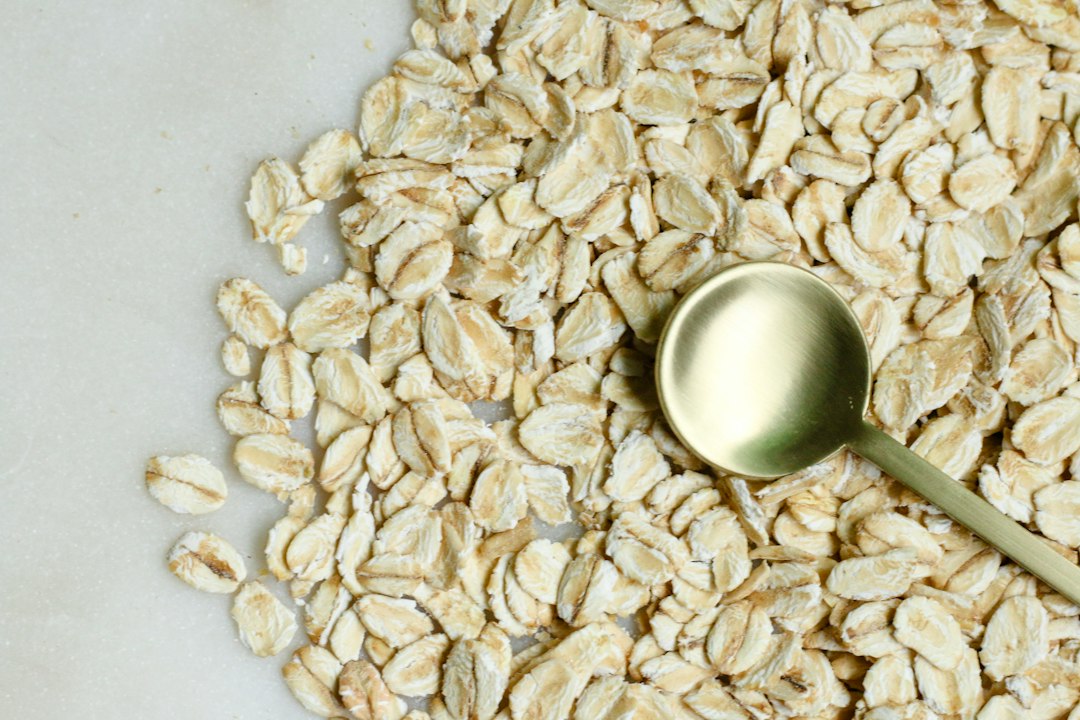
Cook the oats first, then stir cottage cheese into the hot bowl. That order keeps the cheese from bubbling for several minutes and gives you control over the texture. This cinnamon-vanilla version uses no banana, egg or protein powder. It’s mildly sweet with a teaspoon of maple syrup; leave that out if you want to add a sweeter topping.

Microwave Cottage Cheese Oatmeal (No Banana) Recipe
Prep: 2 min · Cook: 4 min · Rest: 1 min · Total: 7 min · Yield: 1 generous bowl
Ingredients
- ½ cup old-fashioned rolled oats (40 g)
- ½ cup water
- ¼ cup milk, plus 1–2 tablespoons if needed
- ¼ teaspoon ground cinnamon
- ½ teaspoon vanilla extract
- ⅓ cup small-curd cottage cheese (about 75 g)
- 1 teaspoon maple syrup (optional)
Directions
- Choose a roomy bowl. Use a deep microwave-safe bowl that holds at least 4 cups, with no metallic decoration. Combine the oats, water, milk and cinnamon. Leave uncovered. Keep the cottage cheese refrigerated until the oats are cooked.
- Microwave in stages. For a roughly 1,000-watt microwave, cook on HIGH for 90 seconds, then stop and stir carefully with an oven mitt on the bowl. Continue in 30-second bursts, stirring between bursts, until the oats are tender and there’s no pool of thin liquid, usually another 1 to 2 minutes. If the mixture rises toward the rim, stop it immediately, stir, and continue at a lower power.
- Rest and fold. Let the cooked oats stand for 1 minute. Stir in the vanilla, cottage cheese and optional maple syrup. For a looser bowl, add milk 1 tablespoon at a time. The cottage cheese will cool the oatmeal slightly, which makes it ready to eat sooner.
- Serve warm. Taste the oats and add a topping if you like, keeping extra toppings separate if you’re estimating nutrition. If you want the bowl hotter after adding the cheese, microwave at half power for 15 to 20 seconds and stir again.
Estimated nutrition per serving: 280 calories · 18 g protein · 37 g carbohydrates · 7 g fat. Values vary by brand and portion size; includes the optional maple syrup but no extra toppings.
Why did it boil over?
Milk and oats foam as they heat. A deep bowl with plenty of empty space is more useful than a small bowl filled nearly to the top. Watch the first cook in your microwave and note the point where the foam starts to climb. Next time, stir sooner or lower the power. Don’t seal the bowl with a tight lid.
Adjust for wattage and oat type
A higher-wattage microwave can finish sooner; a lower-wattage model can need extra bursts. Use tenderness and the amount of free liquid as your guide. Quick oats need less time than rolled oats; start checking earlier. Dry steel-cut oats are not a direct swap for this short microwave method.
Will I see cottage cheese curds?
Yes, small curds remain when you simply fold the cheese in. For a smoother texture without a blender, press the measured cottage cheese through a small sieve with the back of a spoon before stirring it into the oats. Or mash it thoroughly with a fork. Don’t keep boiling the finished bowl in an attempt to make every curd disappear.
Toppings and savory variations
For fruit, add diced fresh pear or a spoonful of applesauce after cooking. For a savory bowl, omit vanilla, cinnamon and maple syrup; add black pepper and snipped chives after folding in the cottage cheese. Taste before adding salt, since cottage cheese is already salted. Use certified gluten-free oats and check packaged ingredients if gluten-free is important.
Can I prep it for tomorrow?
For the best texture, mix the dry oats and cinnamon ahead and add liquid just before cooking. To save a cooked portion, refrigerate the oats and cottage cheese separately when possible and stir the cheese in after reheating the oats. Refrigerate any combined leftovers within two hours, or one hour above 90°F, and use within three to four days at 40°F or below, or sooner if the cottage cheese label says so.
Reheat and store safely
Reheat refrigerated leftovers in short microwave bursts, stirring well and adding a splash of milk or water, until the bowl reaches 165°F throughout. Be careful with steam and hot spots. Freezing this combined bowl is not recommended for texture; the cottage cheese can separate after thawing.
Leave a Reply