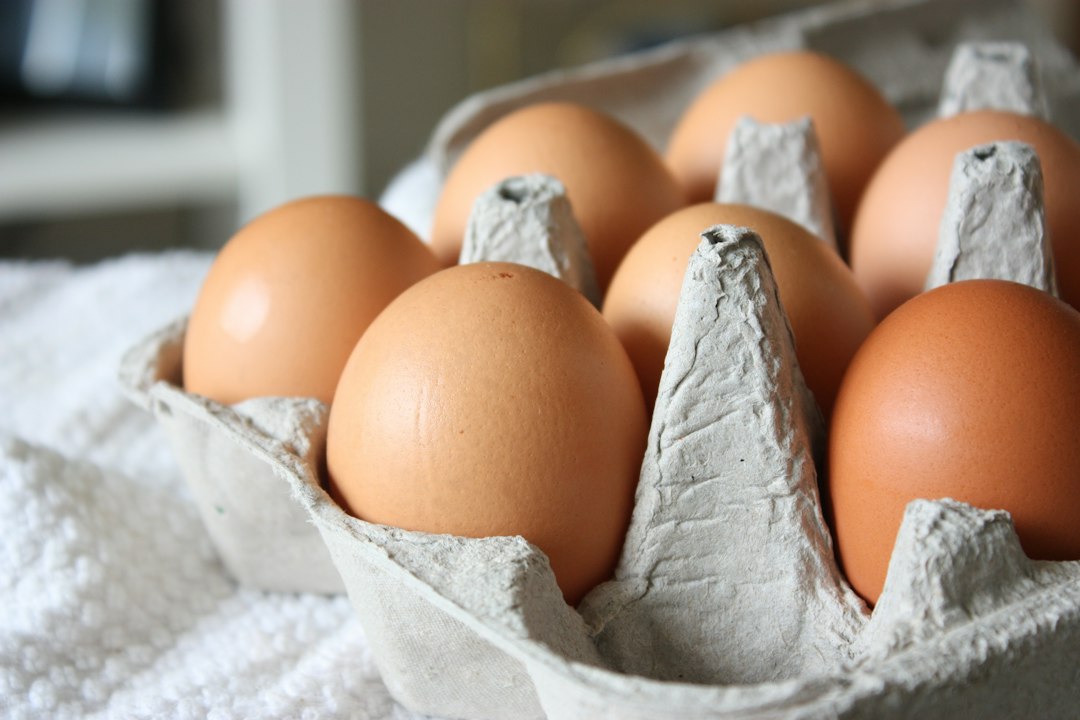
You don’t need a blender to make cottage cheese scrambled eggs. Drain any loose whey, scramble the eggs over medium-low heat, then fold in the cottage cheese once soft curds have formed. The curds stay distinct, and a little chive and lemon zest brighten the finish without adding liquid to the pan. This makes breakfast for two in about 12 minutes.

Cottage Cheese Scrambled Eggs (No Blender) Recipe
Prep: 5 min · Cook: 7 min · Total: 12 min · Yield: 2 servings
Ingredients
- 4 large eggs
- ⅓ cup small-curd cottage cheese (2% or 4% milk fat)
- 2 teaspoons unsalted butter
- 1 tablespoon thinly sliced fresh chives
- ¼ teaspoon finely grated lemon zest
- ⅛ teaspoon freshly ground black pepper
- 1 pinch fine sea salt, to taste
Directions
- Drain and whisk. Spoon the cottage cheese into a fine-mesh strainer set over a bowl and leave it for about 3 minutes while you prep the chives and zest. If the cheese is thick and there is no visible whey, skip draining. Whisk the eggs and pepper in a bowl just until no streaks of white remain. Wait to salt until the end.
- Make soft curds. Set an 8- to 10-inch nonstick skillet over medium-low heat. Melt the butter without browning it. Add the eggs and let the bottom just begin to set, about 20 to 30 seconds. Draw a silicone spatula across the skillet in slow sweeps, then tilt the pan to let uncooked egg flow into the open spaces. Repeat until the eggs form soft curds with a little liquid egg still between them, about 3 to 4 minutes.
- Fold in the cottage cheese. Scatter the drained cottage cheese over the eggs and fold it through a few times. Cook gently another 1 to 2 minutes, until the egg mixture is fully set with no runny egg and reaches 160°F (71°C). To check, gather the curds into a mound and insert a thin probe sideways without touching the skillet.
- Finish and serve. Take the skillet off the heat as soon as the eggs are set. Fold in the chives and lemon zest, then taste and add a pinch of salt only if needed. Divide between two warm plates.
Estimated nutrition per serving: 210 calories, 16 g protein, 2 g carbohydrates, and 15 g fat. Values vary with ingredient brands and portion size.
How to tell whey from uncooked egg
Cottage cheese can leave a thin, clear puddle; raw egg looks thicker and coats the spatula. Check the temperature rather than guessing from the puddle. If you reach 160°F and there is clear liquid, lift the eggs out with a slotted spoon rather than leaving the pan on the heat until all the liquid evaporates.
What if you only have large-curd cottage cheese?
Drain it, then press the biggest curds against the side of a bowl with a fork. They don’t need to become a paste. For a smoother scramble without a blender, mash the curds first or whisk them briefly into the eggs; expect a finer texture than with the late fold. Avoid adding milk or cream to compensate for the curds.
How to scale the pan
For one serving, use two eggs, 2 tablespoons plus 2 teaspoons cottage cheese, and 1 teaspoon butter. Start checking for doneness a minute earlier. For four servings, use a 12-inch skillet or make two batches; a crowded small pan sets at the edges while the middle stays liquid. If the butter sizzles hard as soon as it touches the skillet, take the pan off the burner briefly and turn it down.
Variations and serving ideas
Swap the chives for dill or the thinly sliced green tops of a scallion. For greens, sauté a handful of chopped spinach first and transfer it out of the skillet once there’s no liquid left; fold it back in after the eggs set. Serve on buttered toast or with sliced tomatoes. For breakfasts you want to freeze, use the sheet-pan eggs linked below instead.
Storage and reheating
Serve right away for the softest texture. Refrigerate leftovers in a shallow covered container within two hours (one hour above 90°F) and use within three to four days. Reheat just the portion you need, stirring between short microwave intervals until it reaches 165°F (74°C). The curds will be firmer after reheating; freezing this scramble is not recommended for texture.
More ways to make eggs
- Cottage Cheese Spinach Egg Bake
- Sheet Pan Eggs for Breakfast Sandwiches
- Make-Ahead Vegetable Egg Muffins
For a quick breakfast without eggs or a stovetop pan, try Microwave Cottage Cheese Oatmeal (No Banana).
Leave a Reply